
RUDE PHARMA
8 entries found
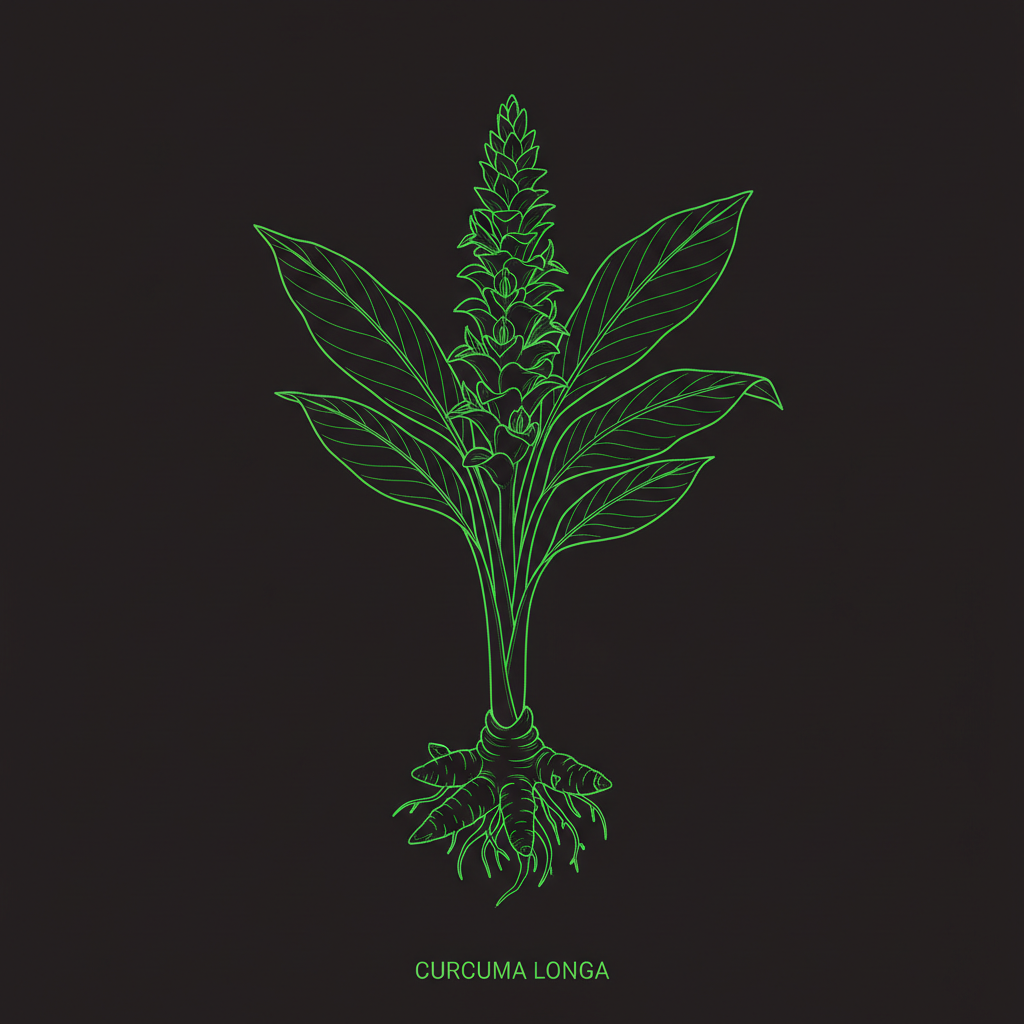
Turmeric
Curcuma longa
Zingiberaceae
A rhizomatous perennial plant of the ginger family, turmeric has been used in Ayurvedic and traditional Chinese medicine for over 4,000 years. Its primary bioactive compound, curcumin, is one of the most extensively studied phytomedicinals in modern pharmacology.
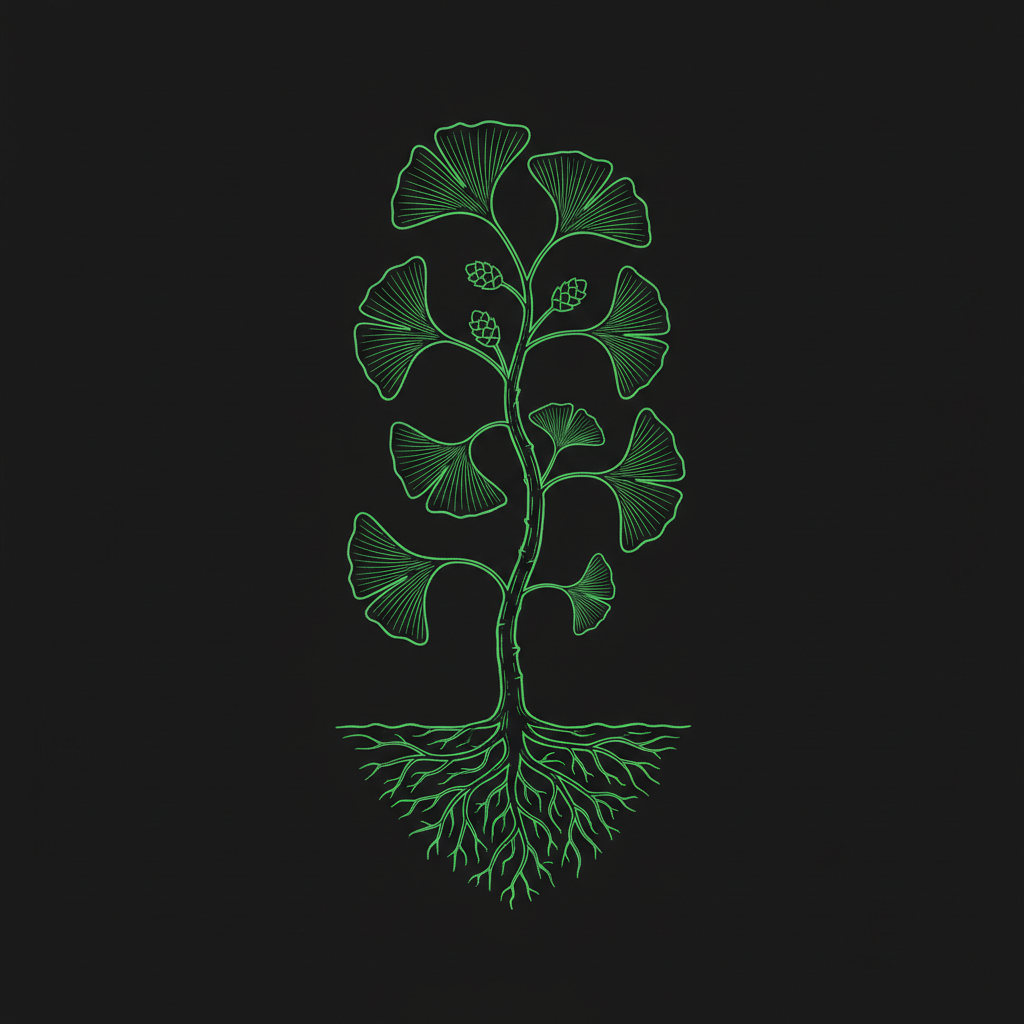
Ginkgo
Ginkgo biloba
Ginkgoaceae
A living fossil — the sole surviving species of an ancient order that predates dinosaurs — ginkgo is one of the most widely used botanical medicines worldwide. Its leaf extracts are among the most prescribed phytomedicinals in Europe, particularly for cognitive disorders and peripheral vascular disease.
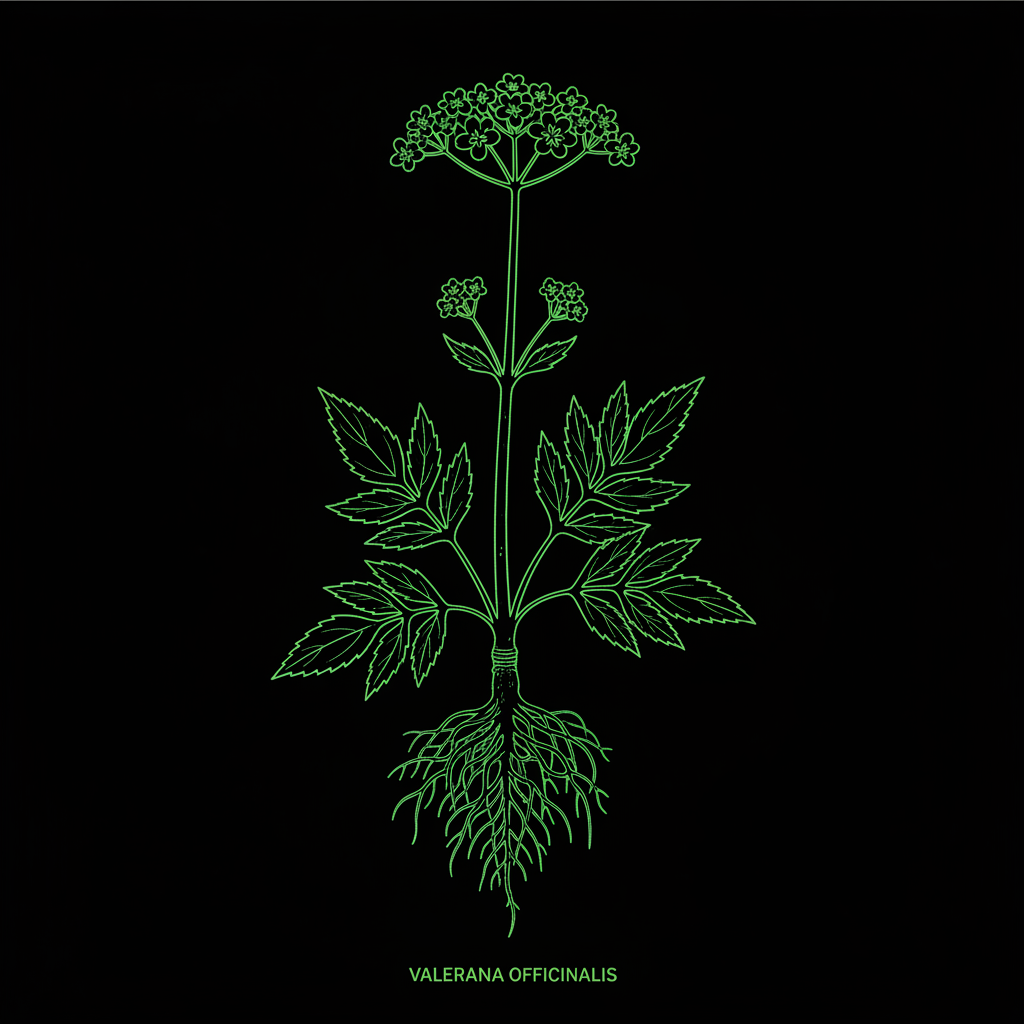
Valerian
Valeriana officinalis
Caprifoliaceae
A perennial flowering plant whose root has been used as a sedative and anxiolytic since ancient Greece and Rome. Valerian remains one of the most clinically studied herbal sedatives, with substantial evidence supporting its use for insomnia and anxiety.
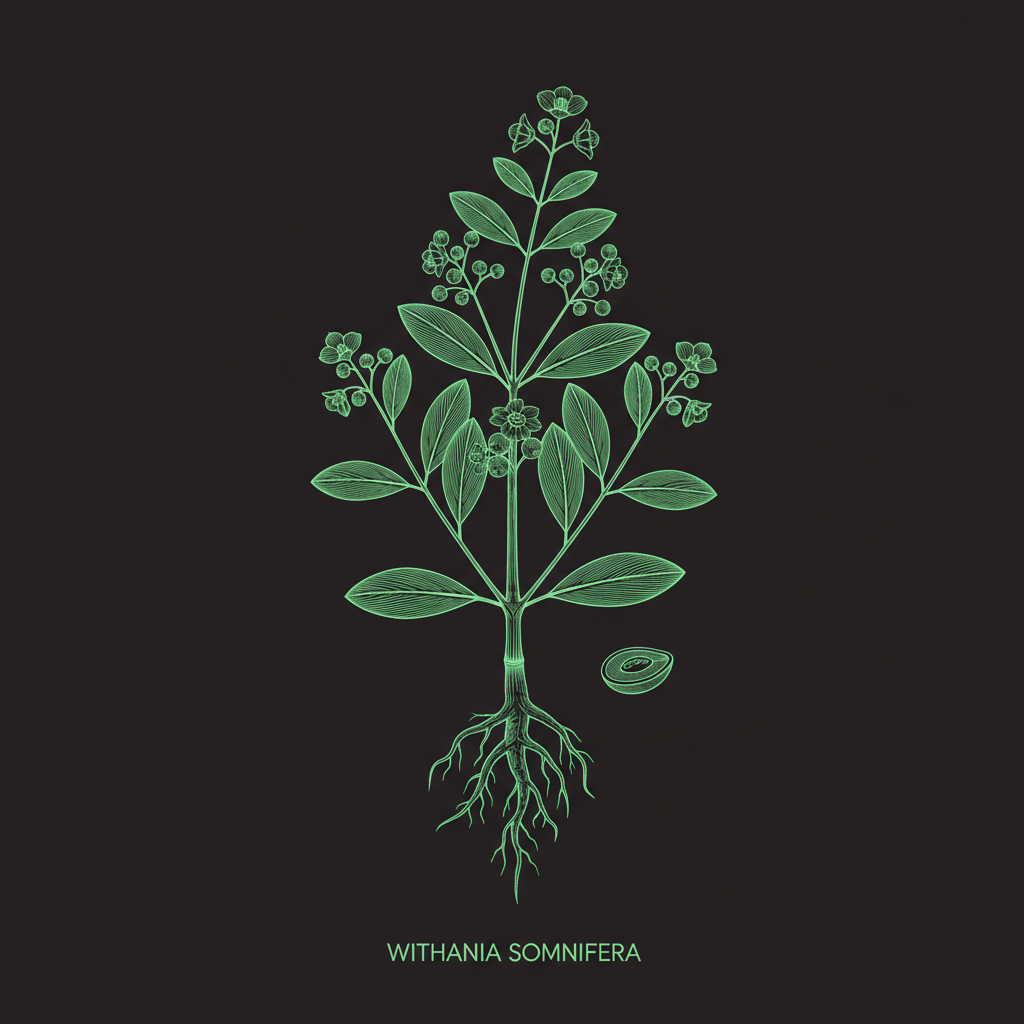
Ashwagandha
Withania somnifera
Solanaceae
One of the most important herbs in Ayurvedic medicine, ashwagandha has been used for over 3,000 years as a rasayana (rejuvenating tonic). Classified as an adaptogen, it modulates the stress response system and has demonstrated significant anxiolytic, neuroprotective, and immunomodulatory activity in clinical trials.
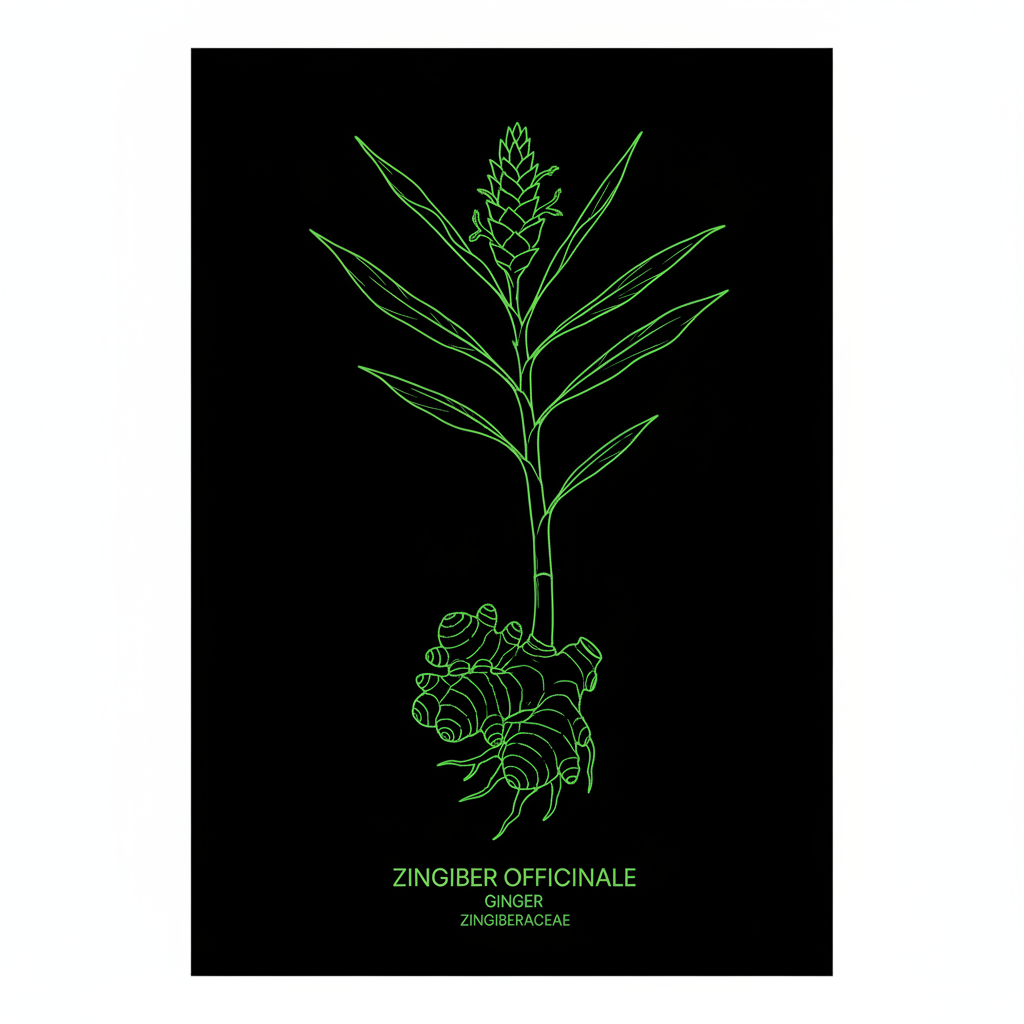
Ginger
Zingiber officinale
Zingiberaceae
A flowering plant whose rhizome is one of the most widely used spices and medicinal herbs globally. Documented use spans ancient Sanskrit, Chinese, Greek, Roman, and Arabic medical texts. Modern research validates its antiemetic, anti-inflammatory, and digestive properties.
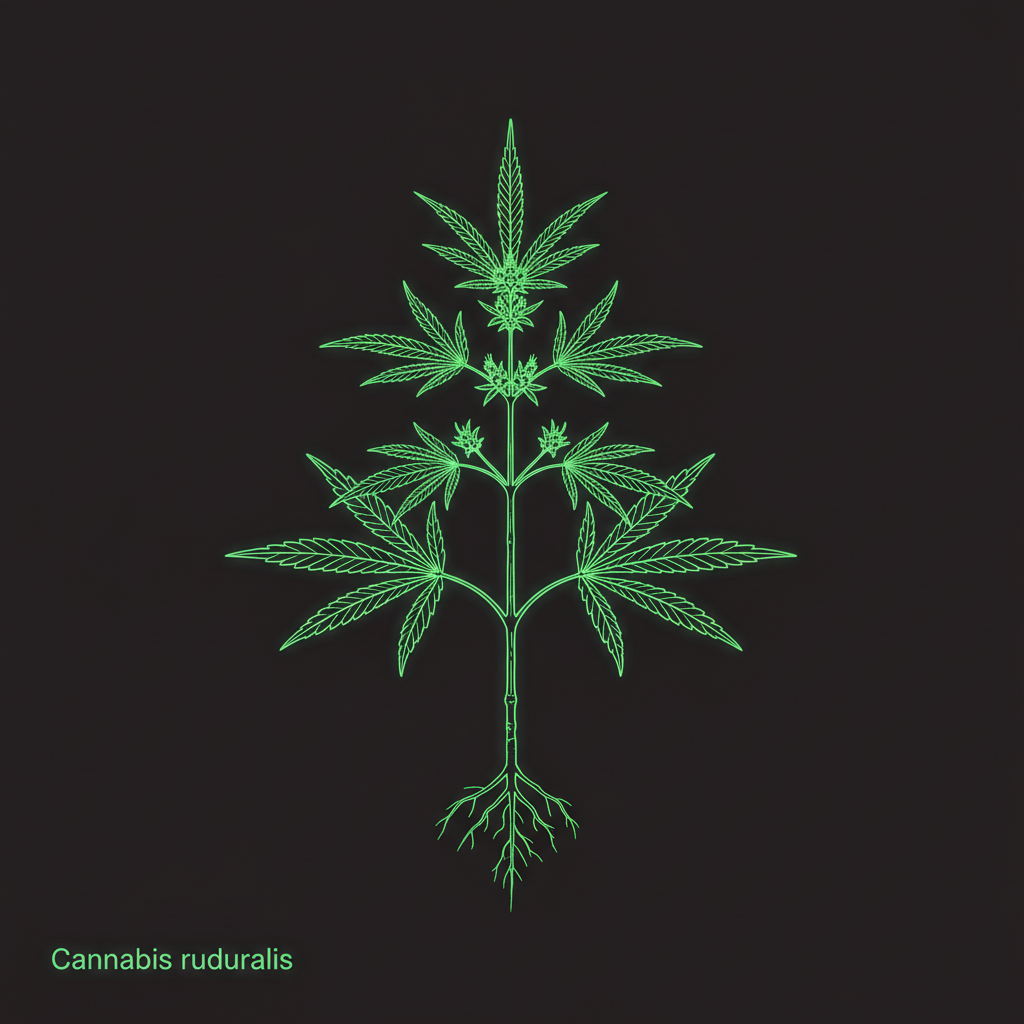
Cannabis Ruderalis
Cannabis ruderalis
Cannabaceae
Cannabis ruderalis is a low-THC, wild or feral variety of Cannabis native to Central and Eastern Europe, Russia, and Central Asia. It is distinguished from C. sativa and C. indica by its short stature, early flowering, and—most notably—its auto-flowering trait: it transitions from vegetative growth to flowering based on age rather than photoperiod (day length). While historically low in psychoactive compounds, ruderalis genetics are prized by breeders for introducing the auto-flowering trait into modern hybrid cultivars.

Cannabis Sativa
Cannabis sativa
Cannabaceae
Cannabis sativa is a tall, slender annual dioecious (occasionally monoecious) flowering plant native to Eastern and Central Asia. It has been cultivated for millennia for its fibre (hemp), edible seeds, and medicinal and psychoactive resin (hashish, marijuana). Sativa-dominant varieties are traditionally associated with uplifting, cerebral, and energising effects, and tend to be higher in tetrahydrocannabinol (THC) relative to cannabidiol (CBD). Modern taxonomy recognises C. sativa as the most widely cultivated and studied of the Cannabis species complex.
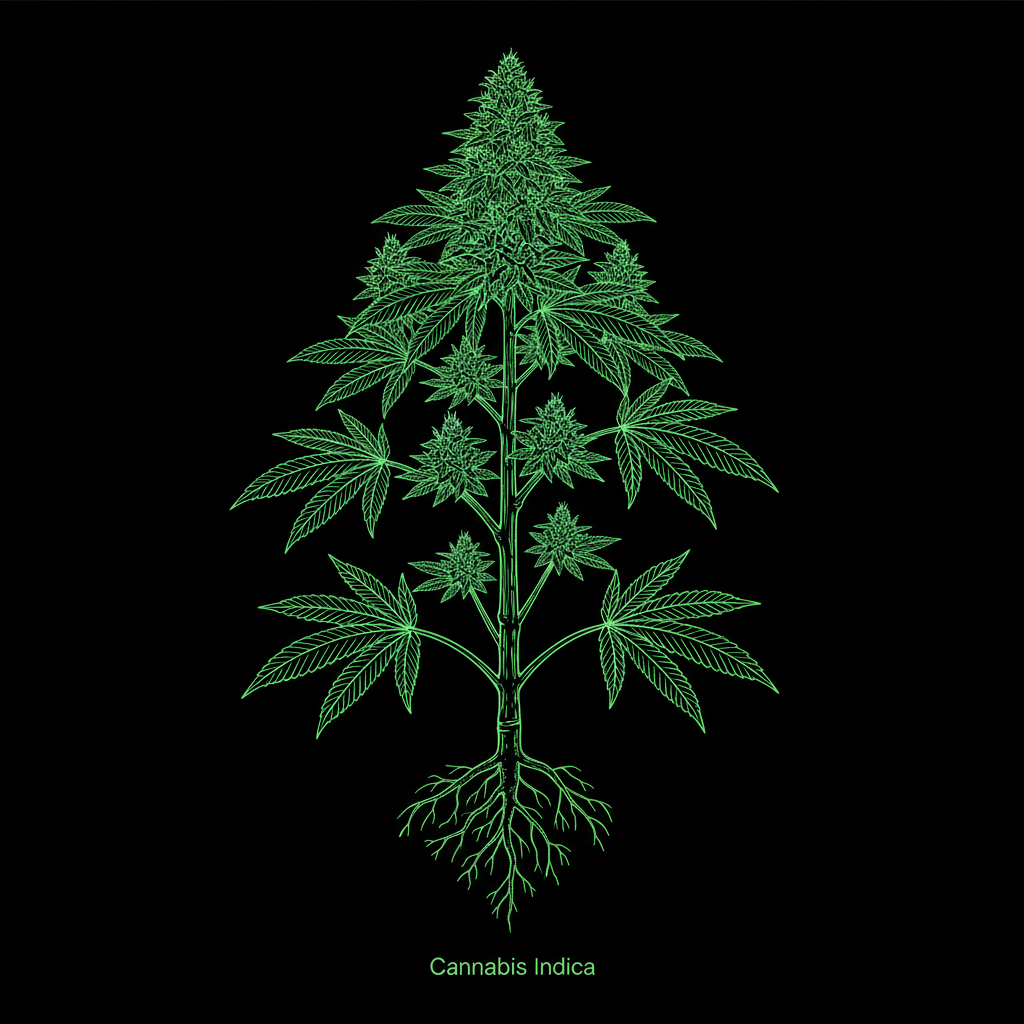
Cannabis Indica
Cannabis indica
Cannabaceae
Cannabis indica is a shorter, bushier, densely branched species or subspecies within the Cannabis genus, native to the Hindu Kush mountain range and surrounding regions of Afghanistan, Pakistan, and India. Indica-dominant varieties are traditionally associated with relaxing, sedating, body-centred ('couch-lock') effects and tend to be higher in CBD relative to sativa varieties, though modern drug-type indicas still produce substantial THC. They are favoured for evening use, sleep, pain relief, and muscle relaxation.